

Silicone and Saline Breast Implants Before and After
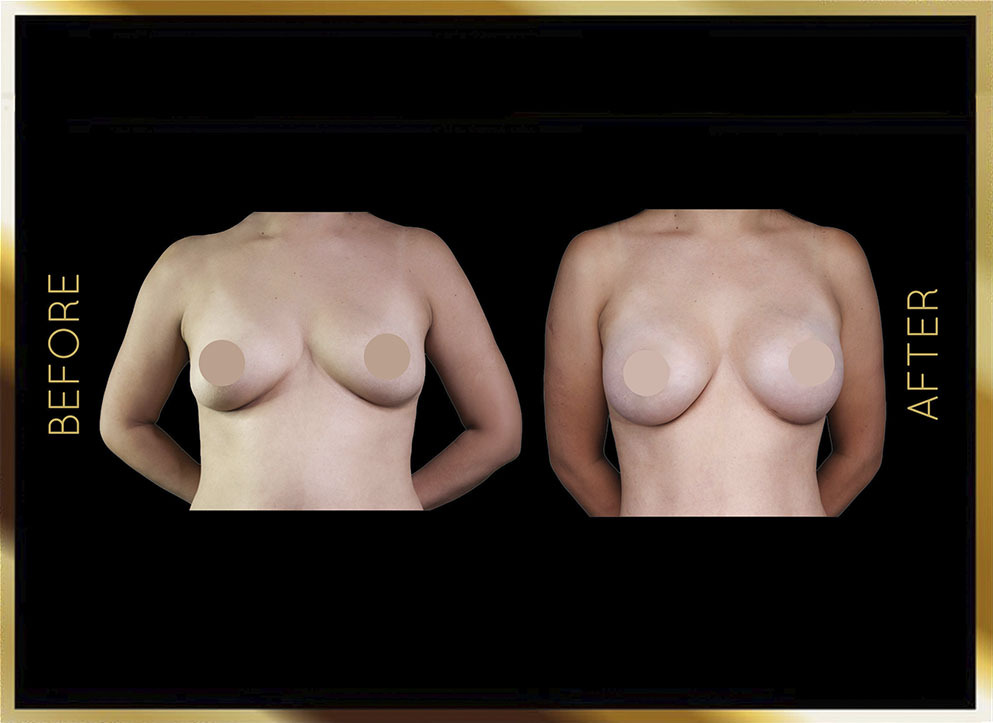
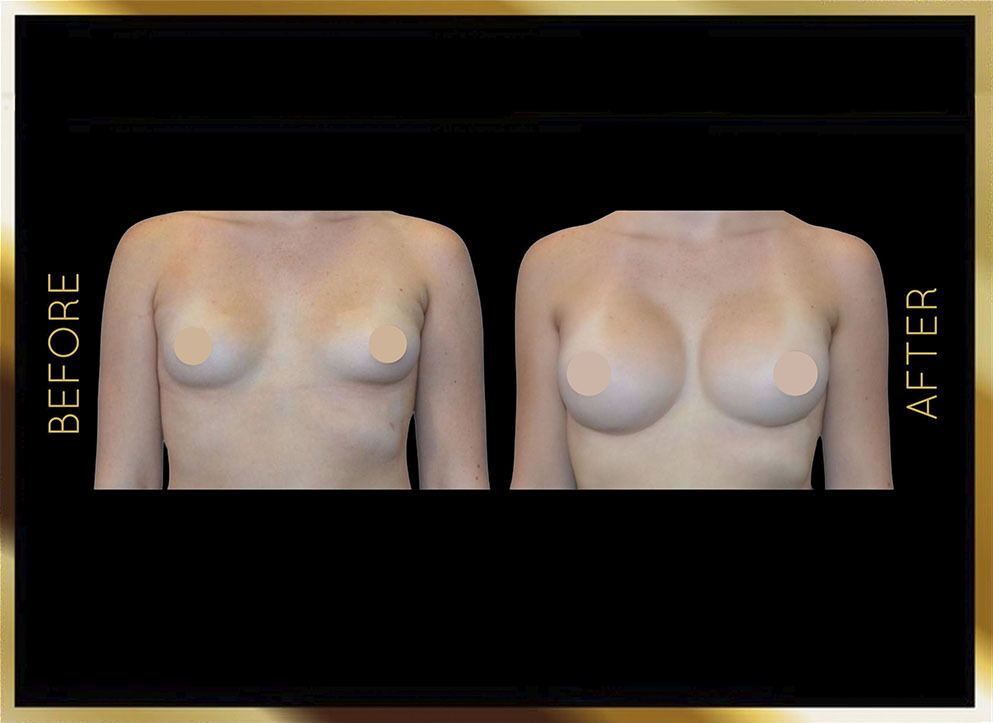
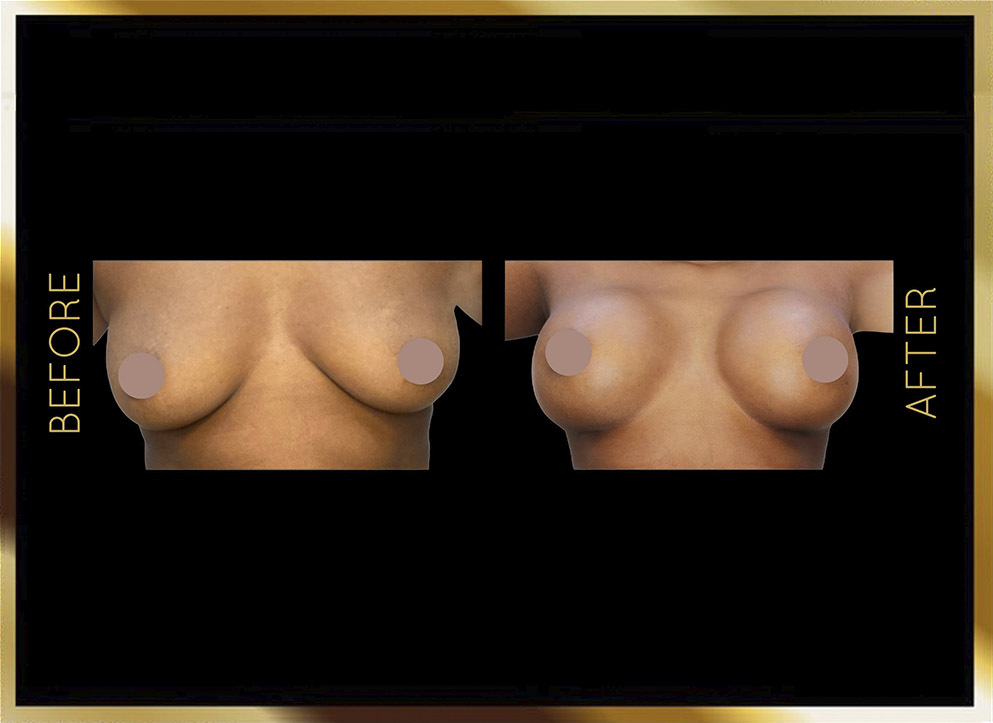

Incredible service! The team went above and beyond to help us.
What Are Silicone and Saline Breast Implants?
Silicone and saline are the two primary types of breast implant materials used in breast augmentation procedures. Breast implants typically involve either:
Silicone.
These implants have a silicone shell filled with soft silicone gel that resembles a gummy candy. The gel is less liquid than older models of silicone implants. Silicone breast implants come in a variety of sizes and shapes.
Saline.
These breast implants are made of a silicone shell filled with sterile salt water. To achieve your desired breast size and shape, these implants can be filled with different amounts and concentrations of saline.
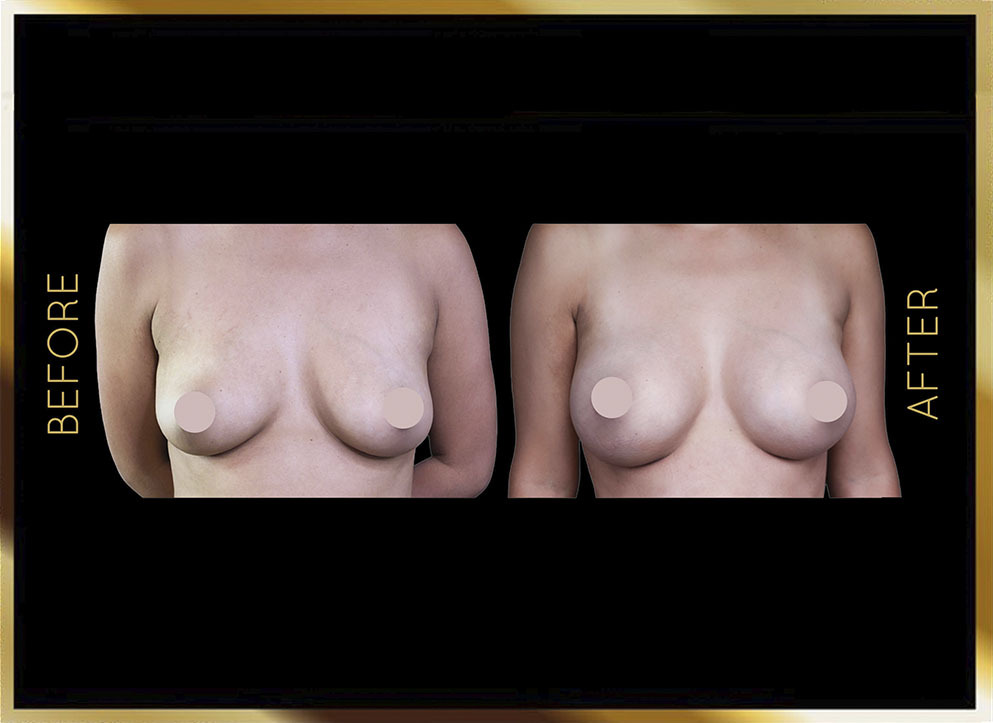
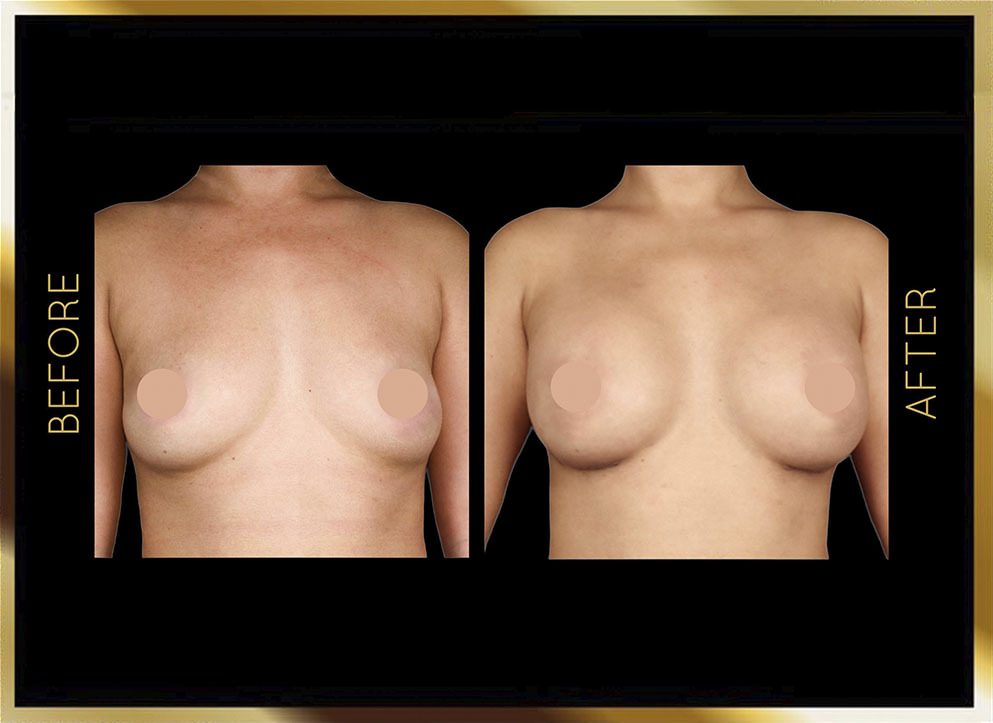
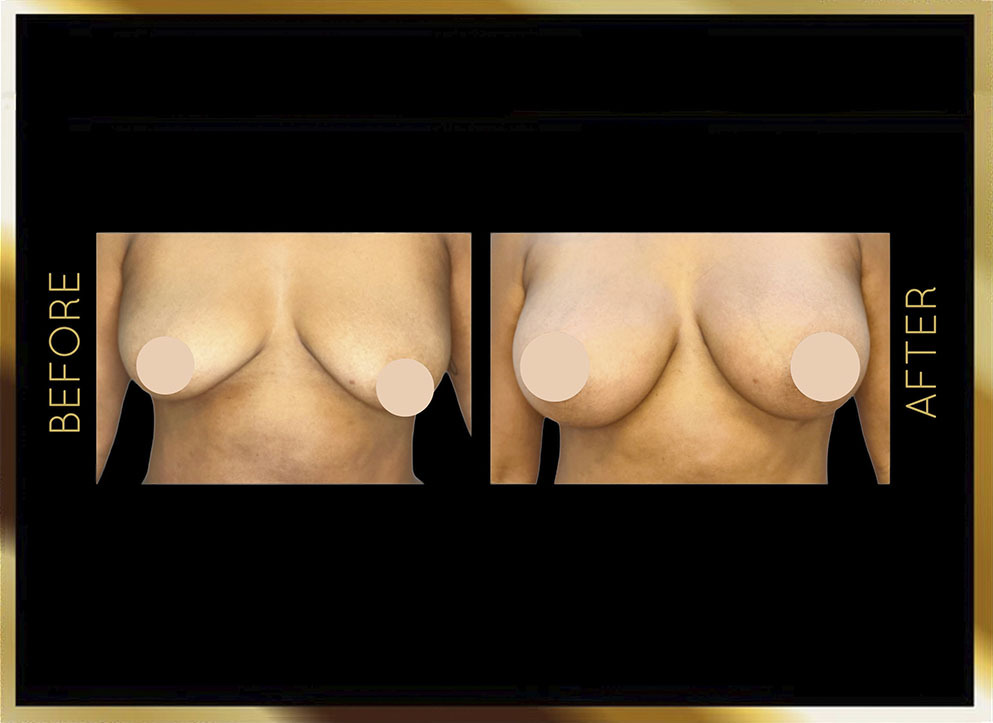
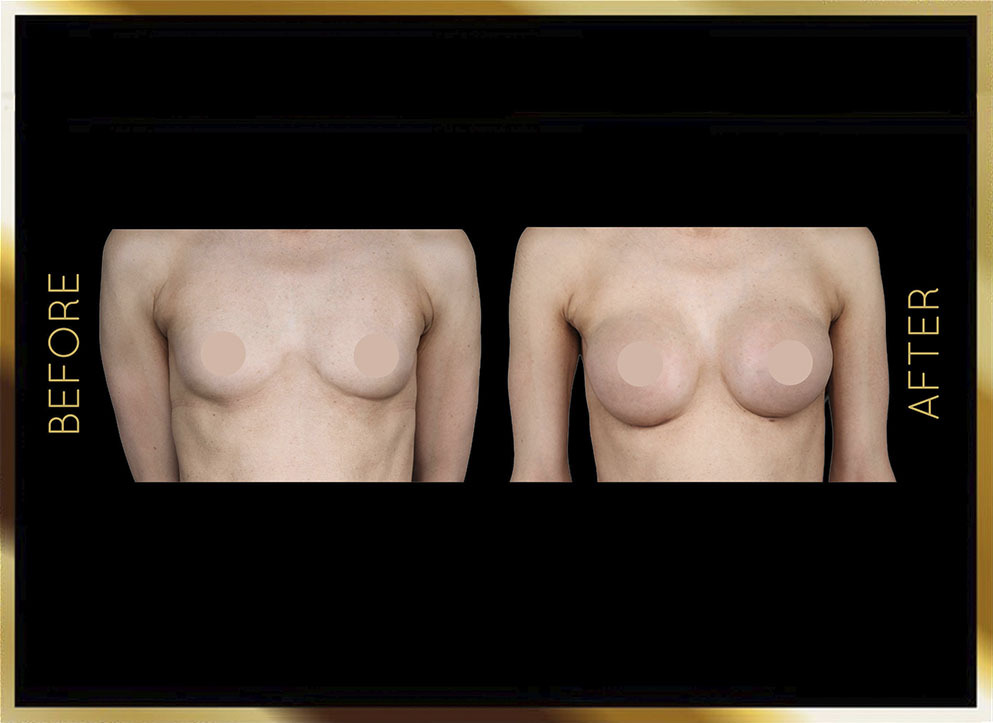
If you’re unsure which type of implant best serves your goals, visit a top cosmetic breast surgeon like Dr. David Shokrian at Millennial Plastic Surgery in Midtown Manhattan. During your consultation, Dr. Shokrian introduces the two types of implants and shows you before and after photos for both. A good listener, he always wants what’s best for you.
We can’t wait to meet you! We offer comprehensive consultations with Dr. Shokrian, and his team both virtually and in person.
212-421-7123What Are the Differences Between a Saline vs. Silicone Implants?
Today’s silicone breast implants are safe, having earned FDA approval. Breasts with silicone implants are popular, since they typically look and feel more like natural breast tissue. The different types of silicone breast implants include:
- Round implants
- Teardrop-shaped implants
- Gummy bear-shaped implants
- Smooth-shelled implants
- Textured implants
- Cohesive gel
Compared to silicone implants, saline breast implants may feel a little firmer, but they’re easier to implant. Because they tend to be rounder, some women believe they look less natural, but it’s a personal decision. While all saline breast implants are round, other factors include:
- Adjustable for different sizes
- Smooth-shelled
- Textured
Clients’ Testimonials
I recently underwent a plastic surgery procedure with Dr. David Shokrian and I couldn't be happier with the results. From the very first consultation, he was professional, knowledgeable, and made me feel completely at ease. He took the time to listen to my concerns, answer all of my questions, and provide me with all the information I needed to make an informed decision.
Do You Need Implants for Breast Augmentation?
Not always. If you prefer an implant-free option, breast augmentation with fat transfer may be possible, depending on your anatomy and goals. Implants are not lifetime devices: many last 10 to 20 years, and you can later exchange them or choose implant removal (explant) surgery.
Should I Choose Saline or Silicone Breast Implants?
Pros and Cons of Saline vs. Silicone Implants
Both implant types are FDA-approved and each has trade-offs. Your surgeon will recommend the option based on your anatomy, tissue thickness, goals, and preferences.
| Silicone implants | Saline implants | |
|---|---|---|
| Look and feel | Often feel closer to natural breast tissue and are less likely to ripple | May feel firmer and show rippling or visible edges, especially with thin tissue |
| Incision | Larger, because the implant is pre-filled | Smaller, because the implant is filled after placement |
| If the implant ruptures | Gel usually stays within the implant pocket, so a rupture can go unnoticed. The FDA recommends an ultrasound or MRI 5 to 6 years after surgery, then every 2 to 3 years | The sterile saltwater is absorbed by the body and the implant visibly deflates |
| Age (FDA labeling for augmentation) | 22 or older | 18 or older |
| Cost | Implants typically cost more | Implants typically cost less |
Silicone implants
Silicone implants are often chosen for a softer, more natural feel and a lower chance of rippling, and they come in several sizes and shapes. Because ruptures can be silent, follow-up imaging is important.
Saline implants
Saline implants are placed empty and filled during surgery, which allows a smaller incision and small size adjustments in the operating room. They may look or feel less natural in patients with thin or small breasts, and they can wrinkle or show visible edges. Saline implants may need replacement sooner if they deflate.
All implants carry risks, including capsular contracture, changes in nipple sensation, and the need for revision surgery, and no implant lasts a lifetime. Discuss these with your surgeon during your consultation.
 56 West 45th Street, 4th floor
New York, NY 10036 1000 Northern Blvd Suite 165
Great Neck, NY 11020

Choosing between saline and silicone implants is easier with an expert opinion on your anatomy and goals. During your consultation at Millennial Plastic Surgery in Midtown Manhattan, Dr. David Shokrian reviews both options with you to recommend the ideal implant type, size, and placement for your body. Contact us today to schedule your private consultation.