


Panniculectomy Before & After Gallery
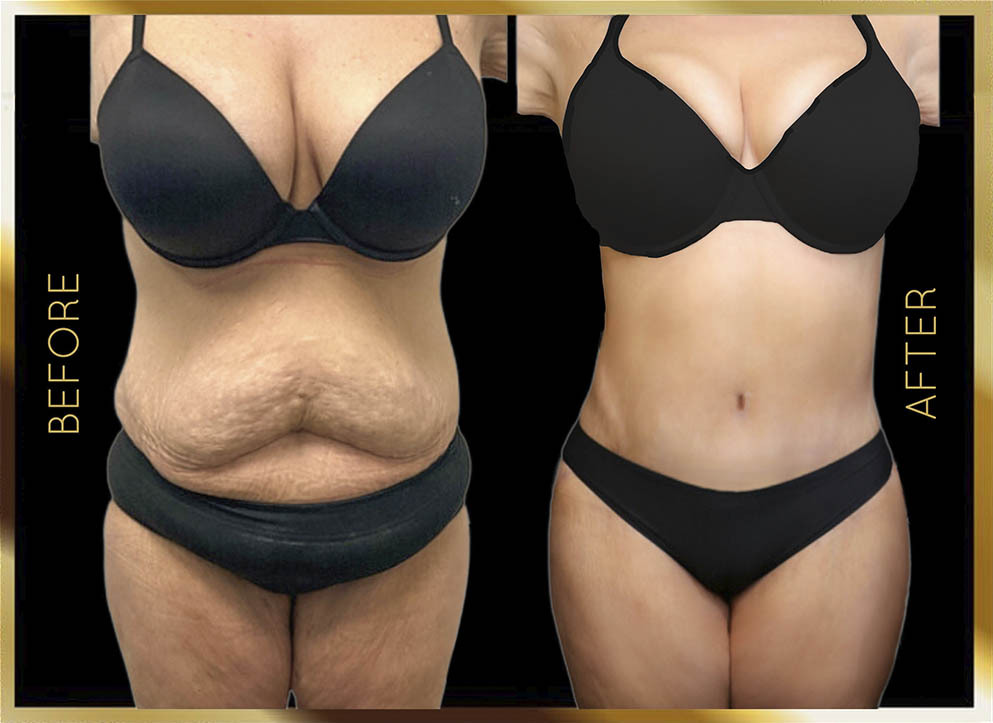
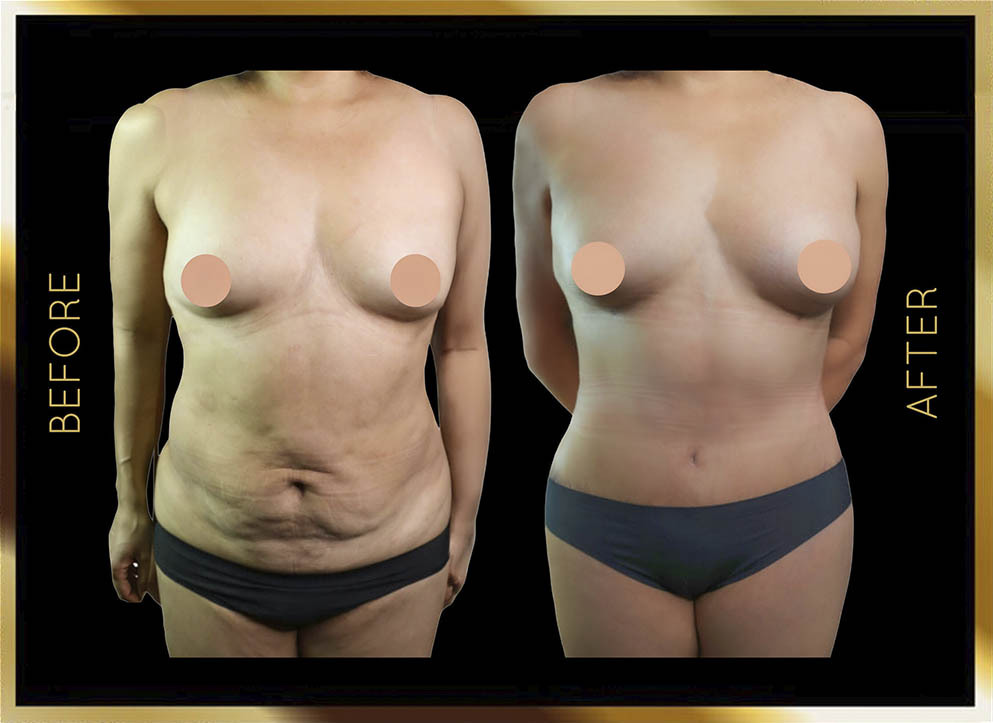
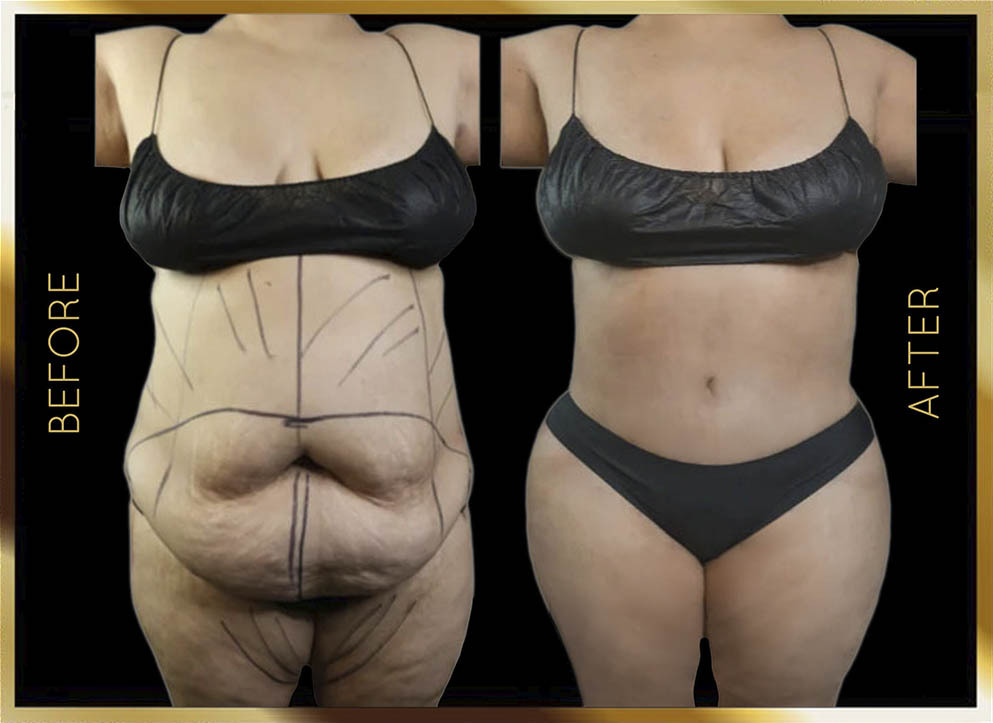
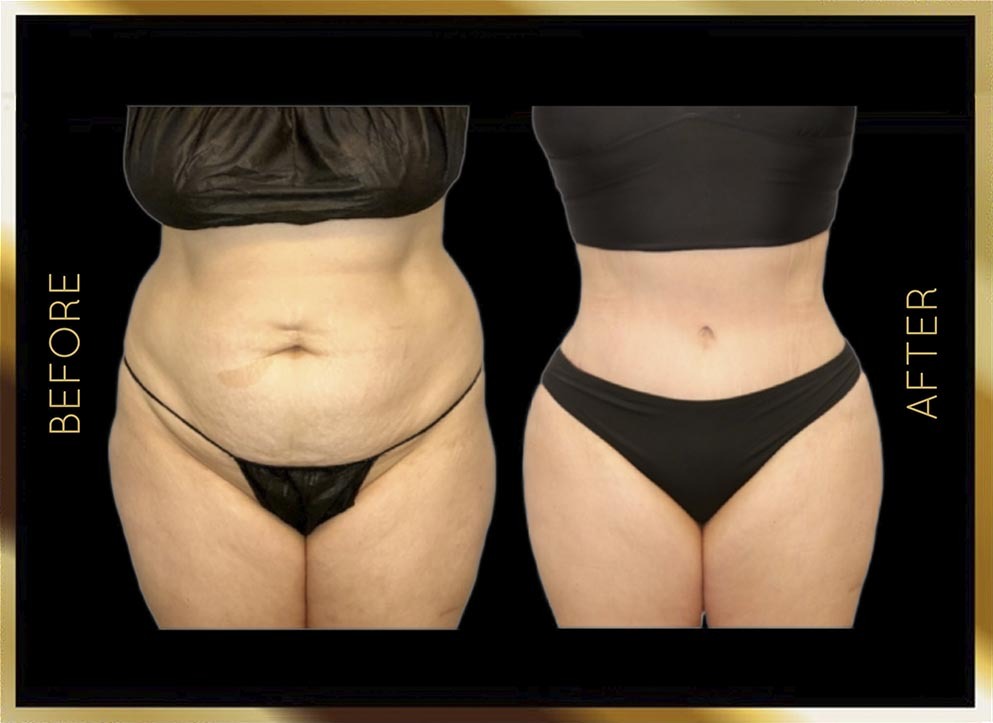
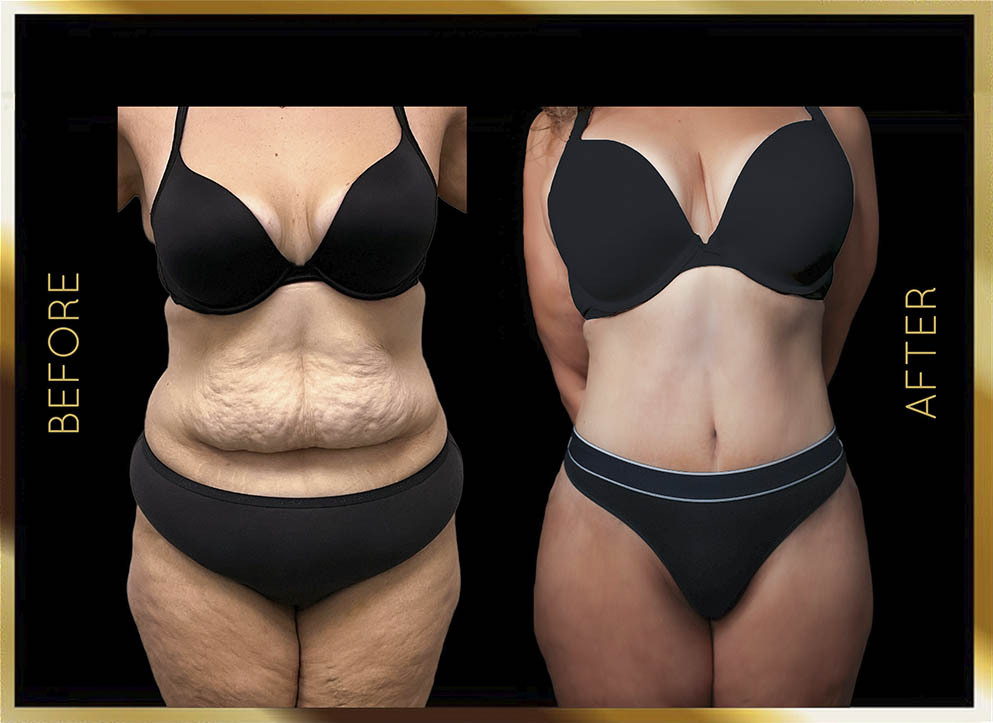
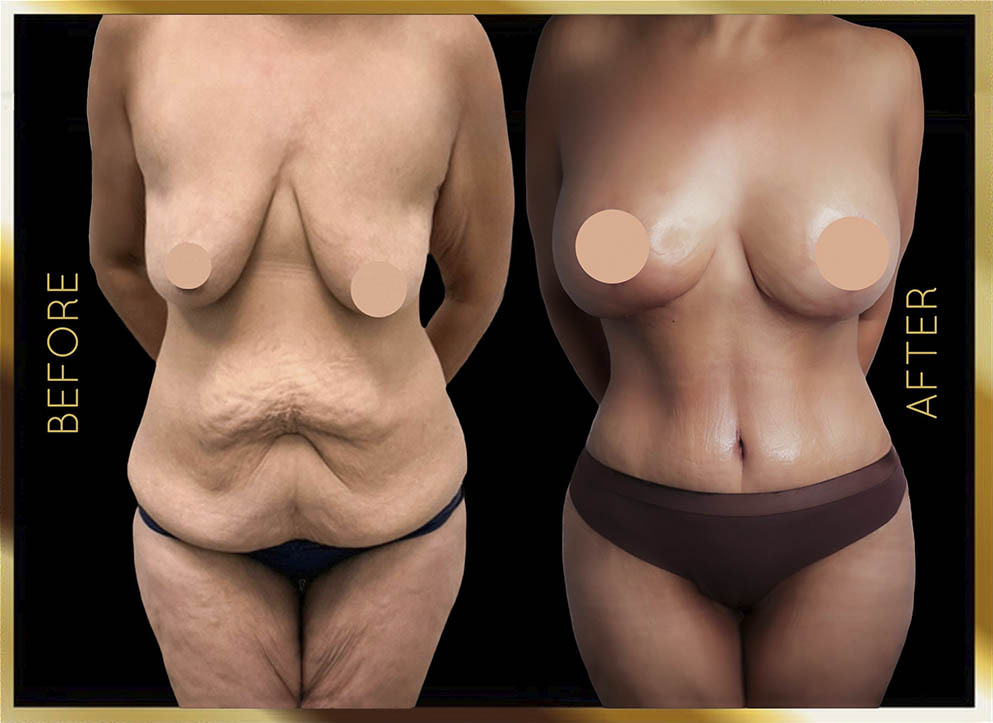
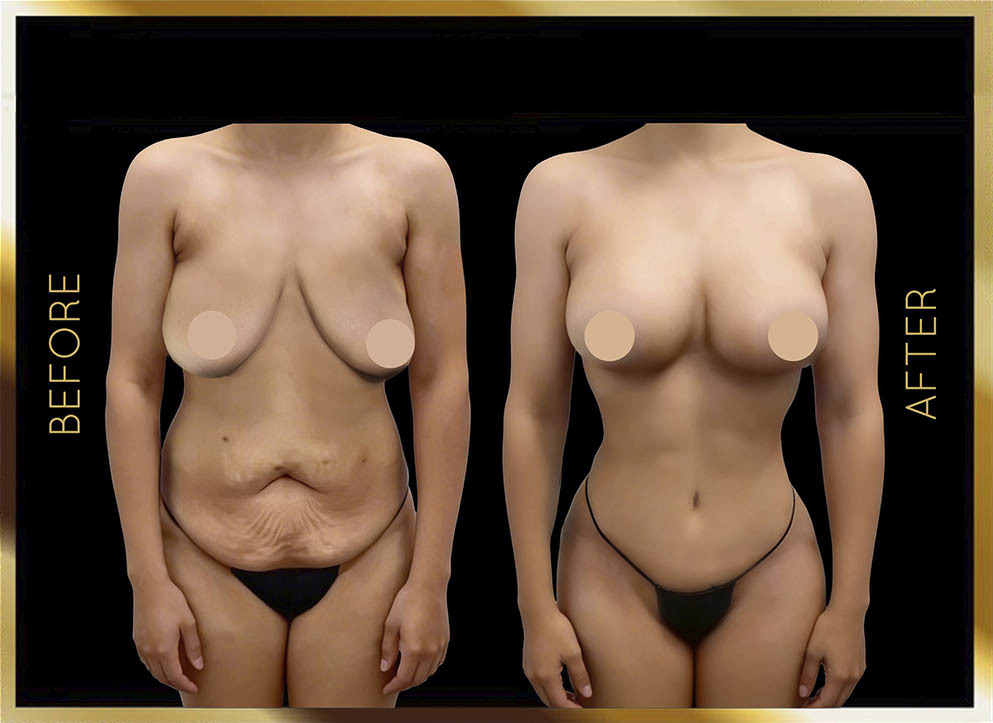
*results may vary
Highly recommend for their exceptional service and expertise.
What Is a Panniculectomy?
Panniculectomy is a skin removal surgery. It involves cutting away your pannus, an overhanging fold of surplus skin and fat that typically develops in the lower abdomen. A pannus stomach often occurs if you lose a significant amount of weight in a relatively quick manner, such as after bariatric surgery. It can also result from substantial weight gain, pregnancy, aging, and loss of skin elasticity.
A panniculectomy is designed to remove excess, stretched abdominal skin and tissue that can hang like an apron below the belly button and over the pubic area. This procedure helps improve the overall contour and function of the abdomen.
At Millennial Plastic Surgery, we understand how uncomfortable and distressing loose or hanging skin can be and the impact it may have on your appearance and quality of life. Our expert surgeons help patients regain comfort by removing the unwanted skin, while providing high-quality cosmetic and medical care that supports overall well-being.
*results may vary
Difference Between Panniculectomy and Tummy Tuck
Panniculectomy should not be confused with a tummy tuck. A tummy tuck (abdominoplasty) tightens loose skin and abdominal muscles and removes excess fat, typically after moderate weight loss or pregnancy. In contrast, an abdominal panniculectomy focuses on removal of the hanging skin and fat (the pannus) and does not involve tightening the abdominal muscles.
Panniculectomy is more suitable for individuals who have experienced significant weight loss, such as after bariatric surgery or prolonged dieting, especially when surplus skin causes hygiene issues or skin irritation.
Clients’ Testimonials
I had an amazing experience here, my body and breast look absolutely flawless. LIKE PERFECTION!!!! I personally dealt with Sofia the entire time and she is and absolute DREAM! Sooo nice and over accommodating absolutely professional like she’s really my new best friend. They made a very welcoming environment. I would definitely recommend anyone looking for cosmetic work, check them out for sure
Clients’ Testimonials
Sophia helped me tremendously if it wasn’t for her , I probably would have never gone through with my surgery! She made me feel so comfortable and like she genuinely cared for me ! I love my results so far and dr Shokrian is AMAZING with his work. I can finally say I’m happy and confident with myself. Thanks to everyone there but especially SOPHIA .
Who Needs a Panniculectomy? Symptoms and Candidacy
Panniculectomy is a surgical treatment aimed at addressing significant skin laxity in the lower abdomen. It targets functional improvement rather than cosmetic enhancement alone.
You may benefit from panniculectomy surgery if you experience:
- Difficulty with posture, walking, sitting, or lying down due to the weight or bulk of the abdominal flap
- Recurrent hygiene issues under the skin fold, such as sweating, irritation, rashes, infections, or acne
- Back pain or mobility limitations caused by the excess skin and tissue
You may be an ideal candidate for panniculectomy if you meet the following criteria:
- You have experienced significant weight loss and are left with loose, hanging abdominal skin.
- You have maintained a stable weight for at least 6 – 18 months following major weight loss.
- You are in overall good physical health and able to undergo surgery safely.
- You have realistic expectations about the outcomes of the procedure and are committed to maintaining results through a healthy lifestyle.
- You do not smoke, or you are willing to stop smoking before and after surgery to support proper healing.
You may need to wait or reconsider panniculectomy if:
- You are still actively losing weight.
- You are planning a future pregnancy, as this may affect surgical results.
- You have uncontrolled medical conditions such as diabetes or heart disease.
- You are not prepared to make long-term lifestyle changes to maintain results.
In some cases, panniculectomy may be combined with other body contouring procedures to achieve additional improvement in shape and outline.
These may include:
Dr. Shokrian can help you better understand this procedure, assess your suitability for surgery, discuss potential risks, and recommend pre-operative measures to support your safety and optimal outcomes.
We can’t wait to meet you! We offer comprehensive consultations with Dr. Shokrian, and his team both virtually and in person.
212-421-7123
Efficient and effective service that always delivers on its promises.
How Much Weight Can I Lose with a Panniculectomy?
A panniculectomy is not a weight-loss surgery. The amount of weight you lose depends only on how much excess skin and tissue is removed, not on fat loss. The primary goal of this procedure is to eliminate the overhanging apron of skin to improve hygiene, comfort, and mobility. As a result, you may experience only a small decrease in your body mass index (BMI).
You may not experience as much weight loss as expected, as skin and fat weigh less than muscle and bone. For most patients undergoing this procedure, a weight reduction of approximately 2 to 4 pounds is common. However, in cases of significant weight loss, the amount of removed abdominal tissue may exceed 16 pounds, and in some cases, can reach 20 pounds or more.
Several factors can influence the overall weight change, including:
- How much weight have you lost prior to body contouring surgery?
- The amount of loose skin and fat remaining after reaching your goal weight
- Whether additional procedures, such as liposuction, are performed at the same time
Panniculectomy does not target visceral fat, which is located deep within the abdominal cavity. Instead, it removes excess skin and subcutaneous fat. It is a body contouring procedure that helps improve overall shape and proportions, to create a more balanced appearance.
Panniculectomy Surgery Consultation
A detailed consultation with one of our experienced surgeons, Dr. David Shokrian or Dr. Mohamed Elfar, is the most important step in your panniculectomy journey.
During the consultation, the surgeons will review your medical history, including any previous surgeries, current medications, and underlying health conditions. They will perform a physical examination to assess the extent of surplus skin, fat distribution, and skin quality. They may also take photographs of your abdomen from the front and the side and mark the planned incision points.
This will help them develop a personalized treatment plan. They may also be able to determine whether a panniculectomy alone is sufficient or if combining it with other procedures, such as liposuction, could enhance your results.
This consultation is an opportunity for you to ask questions, explore your treatment options, and gain a clear idea of what to expect during surgery, as well as throughout the recovery process.
What Happens During a Panniculectomy Surgery?
- You will be given general anesthesia to make the process as easy and painless as possible.
- The surgeon will make an incision just above the pubic area, which extends towards the hip. The length of this incision depends on the unwanted skin that needs to be removed.
- The surgeon pulls down the skin above the incision and takes out the redundant tissue. Depending on the size of the pannus, this may require repositioning or, in some cases, removal and reconstruction of the belly button.
- Once the excess skin is removed, the remaining skin will be pulled and stitched together, and the incision will be closed. Dressings and compression garments will be placed to reduce swelling and protect the treated area.
- In many cases, the surgeon places temporary drainage tubes in the abdomen to remove any fluid or blood buildup during the initial healing phase.
Depending on the complexity of the case and the amount of skin and fat being removed, the surgery takes 2 – 5 hours. Because a panniculectomy is a major surgical procedure, patients may need to stay in the hospital or surgical facility for one to two days for monitoring and recovery.
Panniculectomy Surgery Recovery Timeline
Recovering from a panniculectomy is a gradual process that takes over several weeks, depending on the extent of surgery and your body’s natural healing ability. It is normal to experience mild to moderate pain, soreness, swelling, and bruising in the initial days. You must rest, wear compression garments, and follow your surgeon’s post-operative care instructions to support healing.
Most patients can return to light daily activities by 2 to 3 weeks. However, it is essential to avoid all strenuous tasks, including pushing, pulling, or lifting heavy objects, as any strain or pressure on your incisions can stretch them and result in bleeding, delayed healing, and other complications. Gentle walking is encouraged to promote circulation, and maintaining a slightly bent posture can help reduce tension on the incision.
By weeks 4 to 6, most of the initial healing has taken place, and you will feel more comfortable resuming daily activities. You can return to work, depending on the nature of your job and if approved by your surgeon, but avoid intense physical activity or workouts.
The swelling will resolve, and your final abdominal contours will become more apparent. You will achieve full recovery within 6 to 12 months when scars gradually mature and fade. Attending follow-up appointments and maintaining a stable weight are essential for optimal healing and long-term results.
 56 West 45th Street, 4th floor
New York, NY 10036 1000 Northern Blvd Suite 165
Great Neck, NY 11020

How Much Does a Panniculectomy Cost?
The cost of this skin removal procedure varies depending on the complexity of the procedure, the size of the treatment area, and whether it is combined with other surgeries for enhanced results.
Some other factors that can influence Panniculectomy cost include:
- Surgeon’s experience and expertise
- Hospital or surgical facility costs
- The amount of excess skin and fat to be removed
- Anesthesia fees
- Medications
- Post-surgery garments
Each panniculectomy procedure is different, which means the total cost can vary significantly from one patient to another. A personalized consultation with your surgeon is the only way to get an accurate estimate for your specific goals and needs.
Impressed with the personalized and attentive service provided.
Is Panniculectomy Covered by Insurance?
If you are undergoing a panniculectomy for purely cosmetic reasons, your insurance will not cover the procedure. This is because health insurance does not pay for procedures performed solely to improve appearance as are not considered medically necessary.
However, insurance may provide full or partial coverage if the panniculectomy surgery is considered medically necessary to relieve health-related symptoms and documented by your healthcare provider.
It happens when excess abdominal skin causes ongoing health issues, such as:
- Chronic rashes, irritation, and infections
- Skin irritation
- Ulcers or non-healing wounds
- Back pain or difficulty with daily activities
In such cases, proper medical records, including photos and proof that the condition has persisted for several months and could not be treated with traditional treatments, are required before your insurance company approves the procedure.
At Millennial Plastic Surgery, we understand that paying for a panniculectomy out of pocket, especially if it is combined with other body contouring treatments, can be expensive. We provide flexible payment plans and third-party financing options to make this procedure accessible and convenient for you.
If excess abdominal skin is affecting your comfort and daily life, a panniculectomy in NYC may be the right solution. Schedule a free panniculectomy consultation with Dr. Shokrian to find out whether you are a good candidate and to get a personalized cost estimate. Call or visit our offices in Manhattan and Great Neck, NY. Virtual consultations are also available.