


Truly exceeded my expectations with their exceptional service.
What Is Facial Fat Grafting?
Facial fat grafting, also known as facial fat transfer or micro-fat grafting, is a minimally invasive cosmetic procedure that repairs or enhances facial volume using fat from your own body.
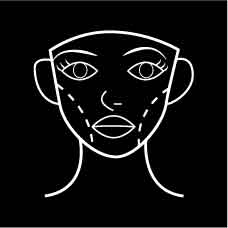
As we age, the natural fat beneath our skin declines, leading to sagging, wrinkles, and a hollow or tired appearance. Facial fat grafting addresses these concerns by extracting fat from areas with excess deposits, such as the abdomen, hips, or thighs, and injecting it into the face. It fixes sunken cheeks, improves thin lips, softens deep nasolabial folds and marionette lines, and improves certain scars.
At Millennial Plastic Surgery, our surgeons utilize precise techniques to harvest, purify, and inject fat into specific facial areas. This procedure maximizes fat survival while achieving safe, and long-lasting rejuvenation. Each treatment plan is customized to enhance your unique features, helping you feel more confident and comfortable in your looks.
*results may vary
Clients’ Testimonials
My facelift has made me feel like a brand new person. The procedure was quick and painless, and the results have been truly remarkable. I couldn't be happier with the outcome.
Clients’ Testimonials
This place was very good. The kindness and helpfulness of the staff was awesome. I loved Jess and my massages from Maribel..she was so good I wanted an 8 ounce bottle of milk and my bed after. Overall Dr. Shokrian was very honest in what he could do and what he couldn't which made my choice even easier.
Clients’ Testimonials
I had my surgery done 2 weeks ago & I had the most amazing experience ever. Dr. Shokrian & the girls are very caring, they made me feel very comfortable, especially Sophia & Barbara. They answered every question I had! I’m more than happy with my results & would definitely recommend MPS to anyone interested in cosmetic surgery!
When Should You Consider a Facial Fat Transfer?
Age, gravity, weight loss, and changes in body composition affect your face in different ways, leading to a loss of facial fullness.
You can benefit from a facial fat transfer if:
- Your cheeks are starting to look hollow or sunken.
- You are noticing wrinkles on your forehead.
- You are developing under-eye bags.
- Your jawline or chin appears undefined.
- Your lips seem to lack definition.
- You have nasolabial lines around your nose and mouth.
- Fine lines are appearing all over your face.
If you feel self-conscious about how your face has aged, a facial fat transfer can fill out your face and give it a more youthful appearance.
A face fat transfer may be performed along with other facial procedures for better outcomes, such as:
One of the main advantages of fat transfer is that it combines the body-sculpting benefits of liposuction with facial volume restoration, resulting in more comprehensive, balanced outcomes. Because the procedure uses your body’s own fat, there is no risk of allergic reaction or rejection.
Multiple procedures performed in a single session can address several issues at once. For many, this approach is more convenient since it involves a single recovery period and might be more cost-effective than separate treatments.
Am I a Good Candidate For Facial Fat Grafting?
The effects of aging on your face can make you seem older than you feel and impact your self-esteem. Facial grafting can bring back lost volume and revive your looks, but it is important to determine if it is the right option for you.
You may be a good candidate for facial fat grafting if:
- You are in overall good health.
- You have realistic expectations of what the procedure can do for you.
- You have sufficient fat available in the donor area.
- You do not smoke or are ready to give up smoking before and after the procedure.
- You do not have a medical condition that could affect the procedure’s results, such as diabetes, heart disease, or cancer.
If you have little or no overall body fat, you may not be a good candidate for this procedure. Dr. Shokrian may recommend gaining a small amount of weight or alternative treatments to help you achieve your sought-after cosmetic goals.
Facial Fat Transfer Consultation – What to Expect?
A detailed consultation with one of our expert surgeons, Dr. David Shokrian or Dr. Mohamed Elfar, is an important first step in your facial fat transfer journey.
During your appointment, you can expect:
- A thorough review of your medical history, including underlying conditions, current medications, and life habits
- A complete review of your face and body to determine suitable fat donor and treatment areas
- A discussion about your concerns, aesthetic targets, and the improvements you would like to achieve
- A clear explanation of the facial fat transfer procedure, including what to expect during and after treatment, with special attention to the post-operative period and proper incision care
- A detailed cost estimate customized to your treatment plan
Based on your consultation, your surgeon will recommend the most appropriate approach and develop a personalized plan that appropriately addresses your particular needs. If necessary, they may also suggest complementary surgical or non-surgical treatments to further enhance your results.
This session is also an opportunity for you to ask questions and fully understand the likely benefits, risks, and limitations of facial fat grafting, as well as the expected longevity of the results. By the end of your consultation, you will be equipped to make knowledgeable, confident decisions about your treatment and desired appearance.
What Happens During a Facial Fat Transfer Procedure?
- You will be given a general anesthesia or a local anesthesia with sedation, depending on the extent of fat removal.
- Your surgeon will make small incisions in the areas of the body where fat cells will be extracted, such as the buttocks, belly, or thighs.
- A small tube called a cannula is inserted through the tiny incisions to loosen and separate fat cells. The required amount of fat is extracted. Incisions are closed with stitches and dressed. If needed, bandages and compression garments will be applied to the harvested areas to optimize healing and reduce swelling.
- Next, the fat cells obtain through liposuction will be purified, separating them from blood and other fluids.
- The processed fat is carefully injected into the targeted areas. This is done a little at a time, gradually building layers for the best results.
- Fat facial grafting usually lasts between one and three hours. Once the procedure is complete, you will be shifted to a recovery room, where the medical team will keep you under observation till you wake up completely.
A facial fat transfer is usually performed as an outpatient procedure. You will be discharged after your surgeon is satisfied with your condition.
 56 West 45th Street, 4th floor
 New York, NY 10036 1000 Northern Blvd Suite 165
Great Neck, NY 11020

Professional and efficient service that consistently delivers outstanding results.
Facial Fat Grafting Recovery and Results
Recovery from facial fat grafting varies from person to person, depending on how much fat was removed during liposuction, how much was injected, and your body’s natural healing process. Taking good care of yourself during this time and following your surgeon’s post-operative guidelines is very important for timely healing and optimal results.
Swelling, bruising, and mild discomfort during the initial days are common. However, these symptoms will subside within a few days. You must rest, keep your head elevated, wear the compression garments as advised by your surgeon, and avoid strenuous tasks such as pushing, pulling, or lifting heavy objects to prevent complications.
You can resume light activities within 1 to 2 weeks, depending on your comfort level, such as walking around the house and performing light chores. It is also important to follow a diet of soft, easy-to-chew foods approved by your surgeon to support facial healing and ensure the survival and retention of the injected fat.
You can return to work and your physical activities after 2 to 3 weeks as the swelling and bruising subside, and you begin to feel stronger and more in control. It may take a few months for the final results of face grafting to become apparent, once the swelling has completely resolved and the transferred fat has settled. You will notice improved volume and enhanced facial structure.
As some of the fat cells are absorbed by the body, you may need a second grafting procedure after 12 months if you seek further enhancement.
We can’t wait to meet you! We offer comprehensive consultations with Dr. Shokrian, and his team both virtually and in person.
212-421-7123Facial Fat Grafting vs. Injectable Fillers
Although facial fat grafting and injectable fillers are equally effective treatments for restoring lost facial fullness and elevating your overall appearance, they differ in technique and results.
Facial fat grafting uses fat from your own body, which is carefully extracted, purified, and injected into targeted areas of the face. As it uses natural fat tissues, the results look and feel more organic. The fat that successfully integrates with the skin becomes permanent, delivering a long-lasting improvement in facial contour and volume.
On the other hand, injectable fillers are made from synthetic or organizally derived substances that are designed to mimic the body’s own components. They are administered through quick, non-surgical treatments and provide immediate results, but these results are temporary. You may require reinjections to maintain the results after several months to a year, depending on the type of filler you chose.
Fillers are great for patients who want a fast, minimally invasive solution with little downtime. Facial grafting is best suited for people seeking a natural, long-term option. Your surgeon will help you make the right choice based on your expectations, lifestyle, and the results you have in mind.
How Much Does Facial Fat Transfer Cost?
 Facial fat transfer is a two-step procedure that includes liposuction and fat grafting. As a result, the total cost includes both procedures and post-operative care.
Different factors can influence the final price, including:
- The expertise and experience of the surgeon
- Your geographical location
- The extent of fat being removed and transferred
- The liposuction technique being used
- Facility fee
- Anesthesia cost
- Whether fat grafting is combined with other facial or body contouring procedures
- Compression garments
- Post-procedure medications
Because each treatment plan is customized, costs can vary from patient to patient. Your surgeon will provide a cost estimate after an in-person consultation, based on your specific needs and objectives.
Is Facial Fat Transfer Covered by Insurance?
A facial fat transfer is considered an elective cosmetic procedure, usually performed to restore facial volume and improve appearance rather than address a medical necessity. As a result, health insurance does not cover it.
However, in rare exceptions, your insurance provider may offer full or partial coverage for your facial fat transfer. This includes reconstructive surgery following trauma or injury to the face, correction of congenital deformities, restoration after trauma or a medically required surgery, and treatment of certain conditions that cause volume loss.
Even in such cases, coverage is not guaranteed, and you will require medical documentation. It is important to speak with your surgeon and insurance company to learn more about your coverage and available options.
At Millennial Plastic Surgery, we understand that paying for your fat grafting surgery out of pocket, especially when it is combined with other facial or body sculpting procedures, can feel overwhelming. We provide flexible payment plans and third-party financing options to make things more manageable for you.
Call us today and schedule an appointment with our expert surgeons to learn more about the best approaches for facial rejuvenation and contour enhancement.
We help you achieve your desired cosmetic goals at our conveniently located offices in Manhattan, and Long Island, NY!