

Breast Reduction Before and After
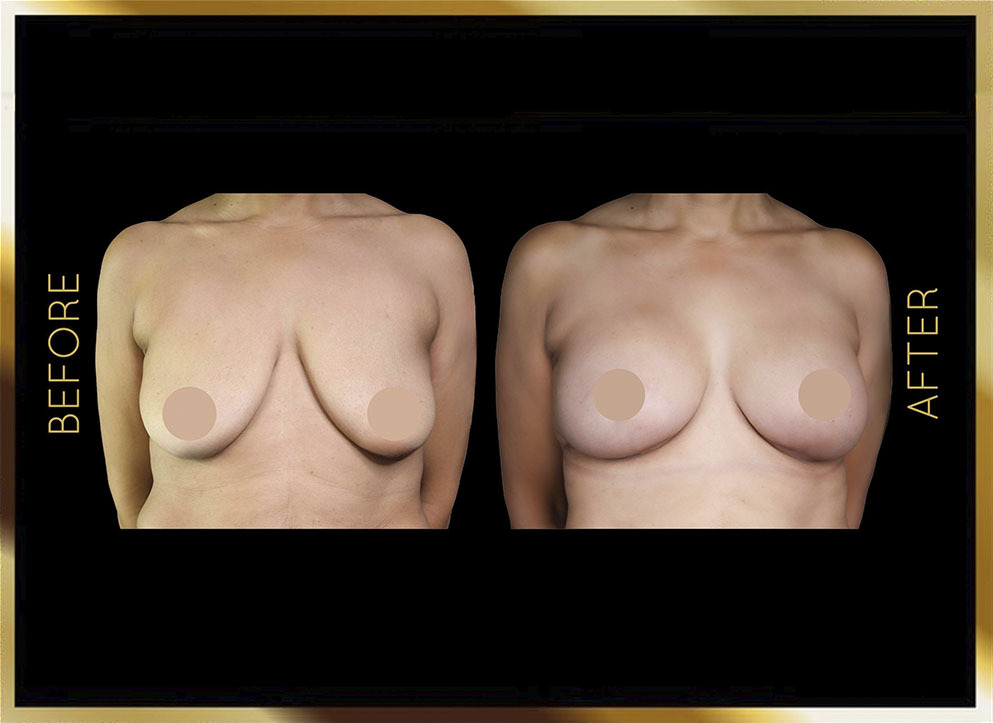
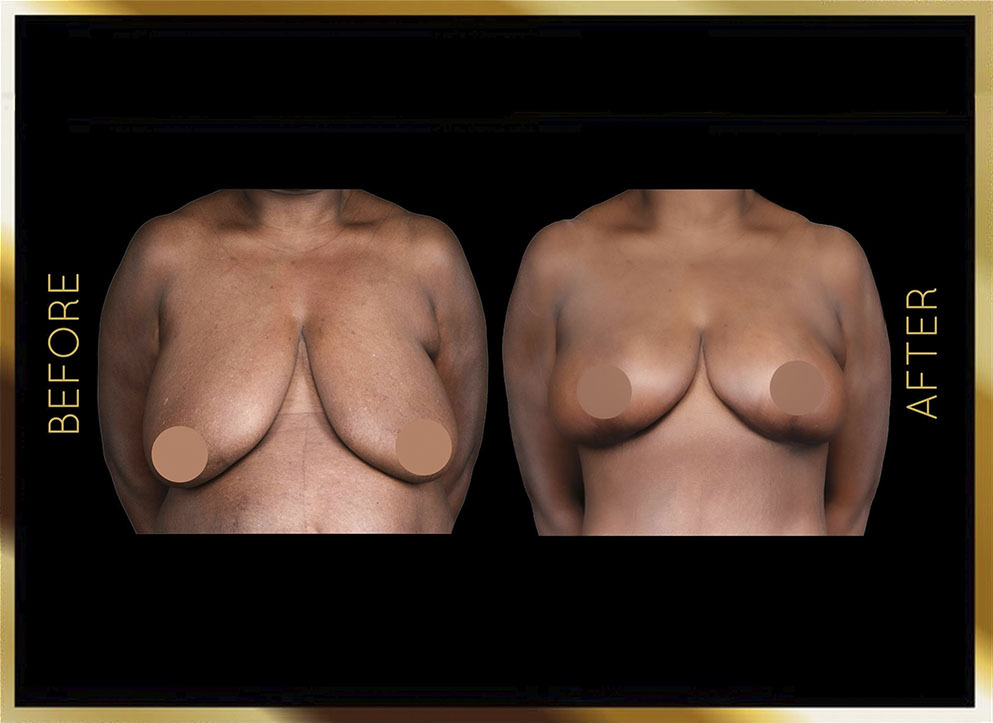
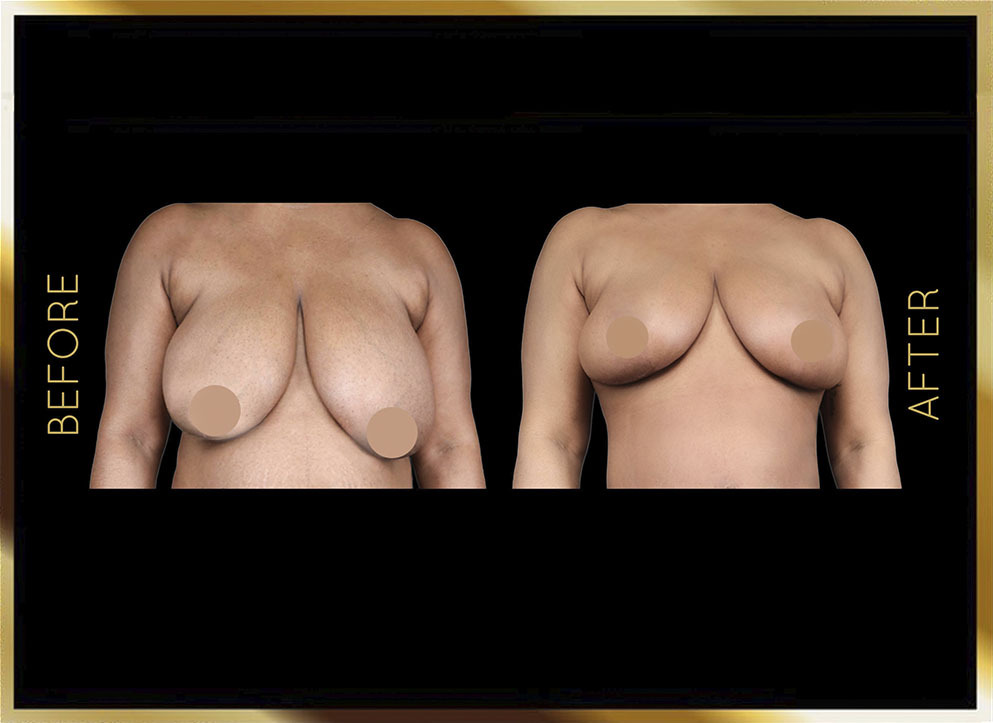
*results may vary

Incredible service! The team went above and beyond to help us.
What Is a Breast Reduction?
Also called reduction mammoplasty, breast reduction is a surgical procedure that makes the breasts smaller and lighter by removing excess fat, breast tissue, and skin.
While breast reduction is often performed for cosmetic reasons, many women undergo the procedure for medical purposes. Naturally large, disproportionate breasts limit daily activities and lead to physical and emotional distress including pain, posture issues, and challenges with exercise or other routine tasks.
Breast reduction surgery reduces the size and weight of breasts, which not only alleviates these symptoms but also improves the overall appearance of the breasts. It can also reverse some of the effects of pregnancy, aging, and significant weight loss.
At Millennial Plastic Surgery, our experienced surgeons help you find relief from both physical and emotional discomfort while enhancing your natural breast aesthetics through breast reduction surgery. With a more balanced and proportionate shape, you can move more freely and feel more confident about yourself.
*results may vary
Read more: What’s the Difference Between a Breast Reduction and a Breast Lift?
Clients’ Testimonials
Dr Shokrian changed my life forever. My only regret is not going for my Breast surgery a lot sooner because my life has truly changed. I especially love the comments and looks I get from people that know me and even from people that don’t. I will forever be indebted to Dr. Shokrian and his staff.
Clients’ Testimonials
This place was very good. The kindness and helpfulness of the staff was awesome. I loved Jess and my massages from Maribel..she was so good I wanted an 8 ounce bottle of milk and my bed after. Overall Dr. Shokrian was very honest in what he could do and what he couldn't which made my choice even easier.
Clients’ Testimonials
I had my surgery done 2 weeks ago & I had the most amazing experience ever. Dr. Shokrian & the girls are very caring, they made me feel very comfortable, especially Sophia & Barbara. They answered every question I had! I’m more than happy with my results & would definitely recommend MPS to anyone interested in cosmetic surgery!
Prompt, reliable, and always delivers high-quality results.
When Is Breast Reduction Necessary?
Breast reduction becomes reconstructive and medically necessary when excessively large breasts cause ongoing physical distress or significantly impact emotional well-being and self-image.
Common reasons include:
- Large breasts are causing persistent pain in your shoulders, back, or neck.
- Bra straps are causing significant grooving in your shoulders, bearing the heavy weight of your breasts.
- Your breasts are causing posture issues due to hunched shoulders and a curved back.
- You cannot perform certain physical activities, exercises, household chores, or work responsibilities due to your increased breast size.
- You experience headaches or suffer from nerve compression syndrome because of increased breast weight.
- You develop rashes or infections on the trapped skin under the breasts.
- You experience emotional anxiety, feel self-conscious, or lack confidence due to disproportionately large breasts.
Although breast reduction is an invasive surgical procedure, it can effectively address concerns related to body proportions and help you feel more comfortable in your daily life. Schedule your initial consultation with Dr. David Shokrian or Dr. Mohamed Elfar today to discover if breast reduction is the right option for you*.
*results may vary
We can’t wait to meet you! We offer comprehensive consultations with Dr. Shokrian, and his team both virtually and in person.
212-421-7123Benefits of Breast Reduction
Breast reduction offers a range of physical, emotional, and aesthetic benefits by reducing breast size and improving overall shape.
Cosmetic benefits of Reduction Mammoplasty include:
- A more balanced and proportionate overall appearance
- Firmer, better-shaped breasts for a more youthful look
- Increased confidence and comfort during social and outdoor activities
- Reduced concerns related to stretched areolas or enlarged nipples
- A chance to wear clothing styles that were previously uncomfortable or unflattering, including fitted outfits, swimsuits, and well-supported bras
- Improved body image and reduced emotional distress associated with breast size
Physical benefits of Breast Reduction include:
- Relief from chronic back, neck, head, and shoulder pain
- Improved posture due to reduced strain on the back and neck muscles
- Reduced skin irritation, rashes, or chafing beneath the breasts
- Less pressure from bra straps, minimizing shoulder grooving
- Enhanced ability to participate in physical activities and exercise
- Improved mobility and ease in performing daily tasks
Breast reduction surgery can help you enjoy a more active lifestyle, improving your quality of life and supporting long-term health and stability.
Your breasts make up a big part of your appearance and self-esteem. Breast reduction surgery can restore a more youthful, balanced shape, enhancing your sense of self and overall well-being. With improved proportions, you can feel more positive in personal, social, and professional settings, without the stress or anxiety of overly large or sagging breasts.
Great communication and excellent customer support.
Am I a Good Candidate for Breast Reduction Surgery?
If you are unhappy with your breasts because they feel too large for your body frame, cause discomfort, or affect your confidence, breast reduction surgery may be a suitable option.
You may also be a suitable candidate for this procedure if:
- You are in good overall health with no medical conditions that could complicate surgery or recovery.
- You have fully developed breasts that have finished undergoing major changes due to pregnancy, breastfeeding, or significant weight fluctuations.
- You have reached a stable body weight.
- You have realistic expectations about the procedure outcomes.
- You don’t smoke or are ready to give up smoking before and after undergoing surgery.
Dr. Shokrian carefully evaluates each patient to determine eligibility and guides them toward a procedure that best supports their functional and cosmetic goals.
*results may vary
Different Types of Breast Reduction
Breast reduction techniques have evolved to provide safe and effective results. Several surgical approaches are available, each customized to your breast size, shape, and personal goals.
Common breast reduction types include:
- Liposuction Breast Reduction – Liposuction is a minimally invasive procedure that removes excess fat from the breasts. It is most suitable for individuals requiring a small reduction in breast size, and involves smaller incisions and minimal scarring compared to traditional breast reduction. This approach does not alter the shape or contour of the breasts, nor does it change the position of the nipples or the appearance of the areolas.
- Vertical Reduction Pattern – Also known as the lollipop technique, this approach involves an incision around the edge of the areola and a vertical incision extending down to the breast crease. It is ideal for patients requiring a moderate amount of tissue removal, helping to improve sagging while reshaping and lifting the breasts with less scarring compared to more extensive techniques.
- Inverted-T Breast Reduction – For patients with large breasts requiring significant tissue removal, the Inverted-T technique, also known as the anchor pattern, may be the most suitable option. This method uses two incisions, one vertically from the nipple to the breast crease and one horizontally along the crease. It allows precise reshaping of the breast and repositioning of the nipples and areolas for balanced, natural results.
- Gynecomastia Breast Procedure – This procedure treats gynecomastia, a condition in which men have excess breast tissue or fat in one or both breasts. Depending on the type and amount of tissue, the surgery may involve liposuction, direct removal of glandular tissue, or a combination of both. The result is a flatter, firmer, and more masculine chest contour.
- Breast Reduction for Gender Affirmation – This procedure is a part of the gender-affirming surgery for transgender men or non-binary individuals seeking a masculine chest contour. The plastic surgeon removes excess breast tissue, fat, and skin while reshaping the chest to achieve a flatter, more masculine appearance. Nipple and areola size and position are also adjusted to achieve the desired aesthetic results.
- Breast Reduction for Breast Cancer – Breast reduction can be a part of breast cancer treatment or reconstruction. The procedure may involve removing breast tissue to treat or prevent cancer, reshape the breast, or restore symmetry after a mastectomy. It helps improve comfort, appearance, and overall quality of life for patients undergoing breast cancer treatment.
Dr. Shokrian uses careful planning and proven techniques to achieve results that enhance balance, comfort and breast contour. His approach combines artistic refinement with attention to smooth recovery.
 56 West 45th Street, 4th floor
 New York, NY 10036 1000 Northern Blvd Suite 165
Great Neck, NY 11020

What to Expect During Your Breast Reduction Consultation?
A personalized consultation with one of our plastic surgeons, Dr. Shokrian or Dr. Elfar, includes a discussion about how large or sagging breasts may be affecting your daily life, and overall well-being. They will ask about your symptoms and discuss your body needs, concerns, and goals to determine whether breast reduction surgery is the right option for you.
They will also evaluate your medical history, assess your overall health, and examine your breasts to understand their symmetry, allowing them to create a custom treatment plan that enhances both the shape of your bust and your overall quality of life.
Additionally, they will explain in detail what the breast reduction procedure involves, outlining its benefits and potential risks. This ensures you clearly understand the surgery and can make an informed decision regarding your health and appearance. This session is very important as it sets realistic expectations and leads to a positive experience.
How Is the Breast Reduction Procedure Performed?
Breast reduction is a major surgical procedure that involves several carefully planned steps to ensure safe and effective results:
- You will be given general anesthesia so that you remain asleep and comfortable throughout the procedure.
- Your surgeon will mark the areas on your breasts and make precise incisions based on the surgical plan.
- The procedure starts with the removal of excess breast tissue, fat, and skin to reduce size and weight. Liposuction is the most commonly used method for fat removal.
- The nipple and areola are repositioned to a higher, more proportionate location, enhancing their shape and prominence while maintaining a natural appearance. If the areolas are large, the surgeon can resize them to match the reduced size of your breasts for balanced, harmonious results.
- The remaining breast tissue and skin are sculpted and tightened to create a more natural contour.
- The incisions are carefully closed with sutures, usually dissolvable ones, and dressings are applied to support healing.
- The length of the procedure varies based on your individual needs, but it typically takes between three and four hours.
After the procedure, you will be moved to a recovery room where you will be monitored as you wake up from anesthesia. As breast reduction surgery is an outpatient procedure, you can go home the same day if the medical team is satisfied with your condition. They will provide detailed post-operative instructions and your follow-up appointment schedule before preparing you for discharge.
Dr. Shokrian specializes in breast shaping and functional enhancement, prioritizing the highest safety standards to consistently deliver refined, natural results.
*results may vary
Breast Reduction Recovery Timeline
Recovering from breast reduction is gradual, as your body needs some time to heal. The first few days are usually the most challenging, with swelling, bruising, and mild to moderate discomfort. These symptoms can be managed with prescribed medication and typically begin to subside after a few days. You must wear the supportive surgical bras as recommended by your doctor, as they help with swelling and bruising.
Most patients can return to light daily activities after the first week. However, it is important to avoid heavy lifting, exercise, and strenuous activities for at least 2 to 3 weeks. You can also resume work if you feel comfortable and have been cleared by your surgeon.
By 4 to 6 weeks, your breasts will start settling into their new shape, and you can resume more physical activities depending on your healing process. By 6 to 8 weeks, most swelling has resolved, and you can get back to normal activities with your surgeon’s guidance.
It will take at least 3 to 6 months for your breasts to fully settle and the final results to be visible. Following your surgeon’s post-operative care instructions and attending all follow-up appointments is essential for a smooth recovery and optimal results.
How Much Does Breast Reduction Cost?
Breast reduction is a highly individualized procedure, and the cost can vary based on every individual’s unique needs and goals, as well as several important factors.
They include:
- Experience and skill of the plastic surgeon
- Complexity of the procedure
- The techniques involved, depending on your situation and your goals
- The extent and length of your particular breast reduction procedure
- Whether you have purely cosmetic goals or you need it for medical purposes
- Your geographical location
- If you want to combine it with any other breast correction procedure, such as nipple repositioning or areola reduction
- Facility and anesthesia cost
- Your medical history
- Post-operative care garments
Considering the various factors that can influence the cost of surgery, as well as your unique needs and aesthetic goals, a personalized consultation with your surgeon is essential to determine the exact cost of your procedure.
Is Breast Reduction Covered by Insurance?
Breast reduction may be covered by insurance when medically necessary. This usually happens when excessively large breasts cause significant physical symptoms such as chronic back, neck, or shoulder pain, skin irritation, posture issues, or other health concerns.
Coverage depends on medical records, recommendations from a qualified surgeon, and specific plan requirements. In some cases, you may also need to prove that non-surgical treatments failed to provide the desired relief. It is best to consult both your surgeon and insurance provider to understand your eligibility and the documentation required.
Millennial Plastic Surgery works with major commercial insurance providers and has successfully helped patients achieve coverage for qualifying breast reduction procedures.
We commonly work with the following insurance providers:
- NYSHIP
- Aetna
- 1199
- UnitedHealthcare (UHC)
- Anthem Blue Cross
- Empire Blue Cross Blue Shield
- EmblemHealth (GHI)
- Cigna
- BlueCross BlueShield
- UFT (United Federation of Teachers)
While coverage varies by individual plan, our team assists with insurance verification, authorization, and required documentation whenever possible. If your insurance provider is not listed here, please contact our office. We will help explore any available options to make your breast reduction surgery more accessible.
If the procedure is performed solely for cosmetic reasons to enhance appearance, it is typically not covered by health insurance. At Millennial Plastic Surgery, we understand that paying for a breast reduction in a single payment may be difficult. That’s why we offer flexible payment plans and third-party financing options to make the procedure more accessible for our patients.
Call us today, schedule a free consultation with our experienced surgeons to learn about effective breast reduction options that improve function, comfort, and natural proportions.
Start your journey toward feeling more confident, balanced, and at ease in your body by visiting our offices in Manhattan, and Long Island, New York City!